

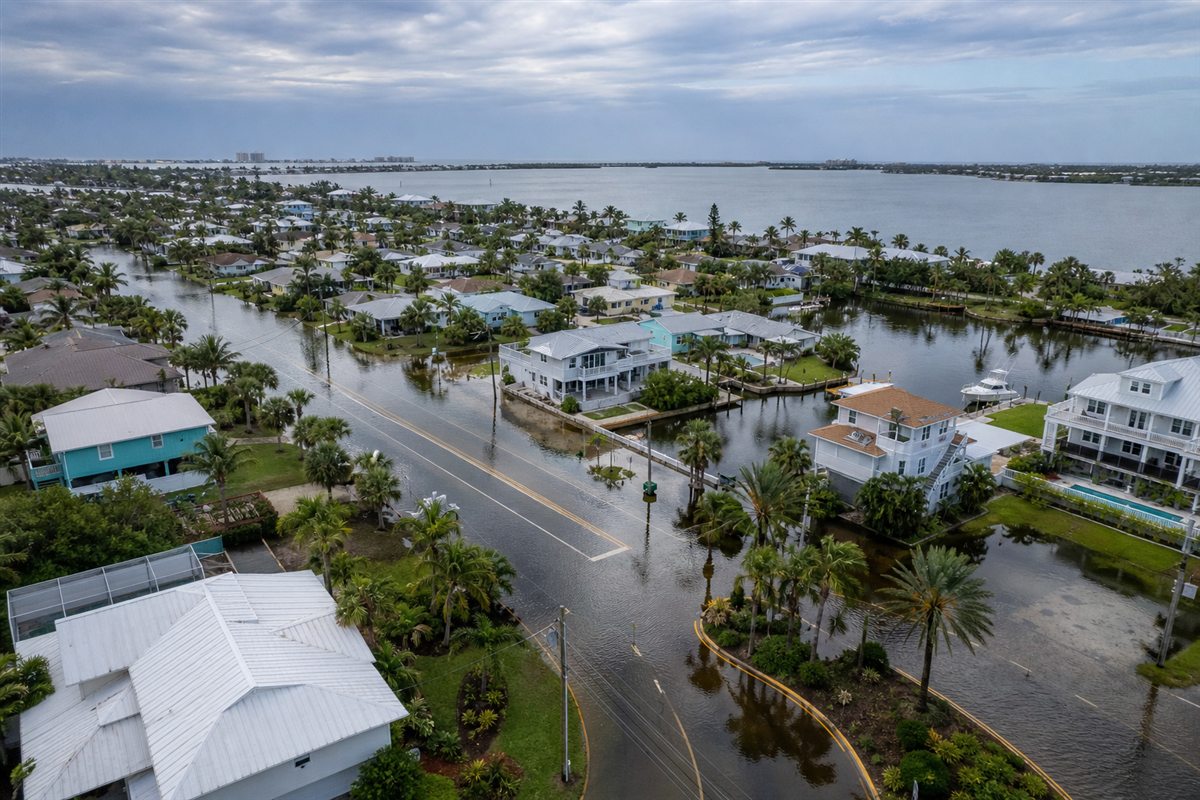
Florida flood risk is property-specific. A flood-zone designation is one signal, but rainfall, drainage, elevation, coastal exposure, and nearby development can also matter. Separate flood insurance may protect a building or its contents because standard homeowners policies commonly exclude flooding.
Key takeaways
- Treat flood maps as one planning input, not a guarantee.
- Evaluate building and contents exposure independently.
- Compare limits, deductibles, exclusions, valuation, and effective dates.
- Update inventories and property photographs before storm season.
Build a property-specific view of risk
Start with available flood maps and elevation information, then add what you know about drainage, prior water movement, nearby canals or coastlines, road access, and new development. Conditions can differ between neighboring properties.
Think through both common heavy-rain events and severe scenarios. Consider whether water could block access, damage equipment at ground level, or reach stored belongings even if the main living area is elevated.
Separate probability from financial impact
A lower perceived chance of flooding does not mean the possible loss is affordable. Estimate the cost to repair floors, walls, electrical or mechanical equipment, and replace contents after several inches of water.
Then compare that exposure with available policy limits and deductibles. This frames insurance as a risk-transfer decision rather than a response to a label or lender requirement.
Compare flood policies on substance
Ask whether a quote includes building coverage, contents coverage, or both. Review how property is valued, what spaces or items have restrictions, and whether additional expenses after displacement are addressed.
Confirm when coverage becomes effective and what documentation a claim may require. Policy forms vary, so a sample summary should lead to a contract review—not replace one.
Reduce avoidable loss
Move important documents and valuable belongings above likely water levels, keep drains and gutters clear, and learn how to shut off utilities safely. Do not enter floodwater or use electrical equipment in wet areas.
Maintain an inventory with dated images. Risk reduction does not guarantee coverage, but it can improve preparedness and give you a stronger record if a loss occurs.
Discuss your coverage with a licensed professional
Policy terms, eligibility, and pricing vary by insurer and applicant.