

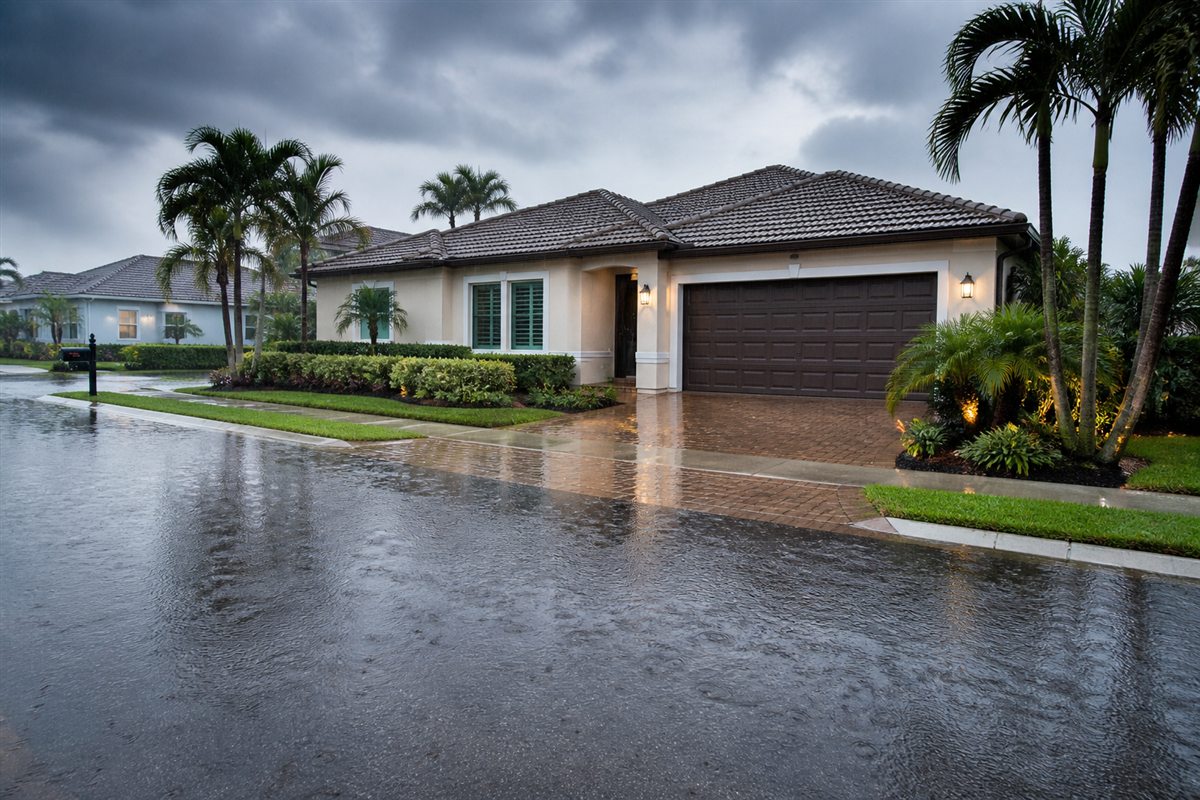
Standard homeowners insurance generally does not cover flooding caused by rising or accumulating surface water. Florida property owners usually need separate flood coverage for that exposure. Coverage depends on the policy and the source of water, so review both building and contents protection before you need it.
Key takeaways
- A homeowners policy is not usually a replacement for flood insurance.
- The source and movement of water matter when coverage is evaluated.
- Building and personal-property limits should be reviewed separately.
- Do not wait for a forecast to begin asking about availability or effective dates.
Why the source of water matters
Insurance policies distinguish among causes of water damage. Wind-driven rain entering through storm damage, a sudden plumbing event, sewer backup, and water spreading across normally dry ground are not automatically treated the same.
Describe the scenario precisely when asking a coverage question. “Is water damage covered?” is too broad; ask what happens if water enters from outside, backs up through a drain, or leaks from a damaged interior pipe.
What separate flood coverage can address
Flood policies may offer protection for the insured building, eligible systems and appliances, and personal belongings, subject to the selected limits, deductibles, definitions, and exclusions. Building and contents protection are often distinct decisions.
A policy may not treat every space or item in the same way. Ask specifically about enclosures, lower levels, detached property, temporary living expenses, and contents valuation instead of assuming the homeowners policy terms carry over.
Review risk beyond a map label
Flood maps are useful planning tools, but a label should not be the only input. Drainage, nearby construction, low-lying roads, rainfall, storm surge, and the property’s elevation can all shape practical exposure.
A lender’s requirement is also not a complete measure of personal risk. The better question is what financial loss you could absorb if floodwater damaged the structure or belongings.
Questions to resolve before buying
Confirm the coverage form, building and contents limits, deductibles, valuation approach, exclusions, effective date, and claim process. If comparing public-program and private-market options, compare the contracts rather than names alone.
Keep the declarations page and inventory with your emergency records. Photograph the property before storm season and after major upgrades so you have a clearer record of its condition.
Common questions
Is storm surge covered by homeowners insurance?
Storm surge is generally treated as flooding rather than ordinary homeowners water damage. The specific contract and facts control, so review separate flood protection and ask how storm surge is defined before a storm.
Do I need flood insurance outside a high-risk flood zone?
A map designation may affect lending requirements, but it does not eliminate flood exposure. Consider the property, local drainage, possible loss, available coverage, and your ability to pay for recovery.
Discuss your coverage with a licensed professional
Policy terms, eligibility, and pricing vary by insurer and applicant.