

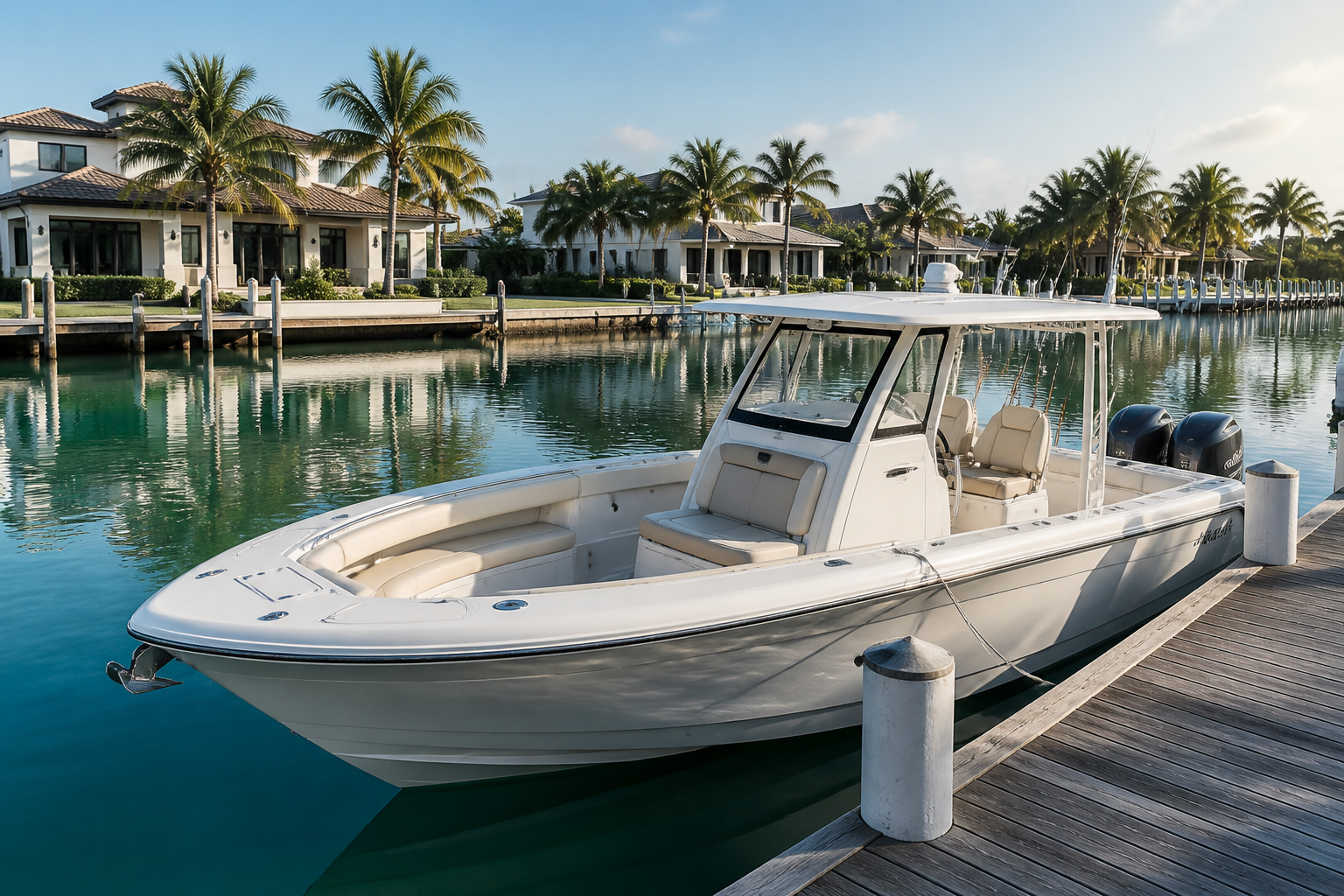
Boat insurance may cover physical damage to the vessel and equipment, liability for injury or property damage, medical payments, uninsured boaters, towing, and other selected risks. Coverage varies by policy, boat, navigation area, storage, and storm plan, so limits and exclusions need a vessel-specific review.
Key takeaways
- Confirm how the hull, machinery, trailer, and equipment are valued.
- Review liability and passenger-related protection, not only boat damage.
- Check navigation territory, lay-up, storage, and operator restrictions.
- Understand hurricane-plan duties and named-storm deductibles before season.
Protect the boat and attached equipment
Physical-damage coverage may apply to the hull, machinery, permanently attached equipment, and selected accessories after a covered loss. Ask whether settlement is based on an agreed value, actual cash value, replacement provision, or another method.
Trailers, tenders, fishing gear, electronics, and personal property may have separate limits or conditions. List valuable equipment instead of assuming it shares the hull limit.
Review liability on and around the water
Boat liability can respond when an insured operator is legally responsible for injury or property damage, subject to the contract. Consider passenger injuries, damage to another vessel or dock, and possible wreck-removal or pollution-related costs.
Medical payments and uninsured-boater protection may address different needs. Ask how each works, who qualifies as an insured operator, and whether occasional permissive users are covered.
Check where and how the boat is used
Navigation territory, distance offshore, seasonal lay-up, storage location, liveaboard use, charter activity, racing, and operator experience can affect eligibility or coverage. Report intended use accurately.
If the boat travels on a trailer, clarify how the boat and trailer are covered in transit and what the towing vehicle’s policy does not cover.
Build a hurricane plan that matches the policy
Some policies include named-storm deductibles, haul-out provisions, or duties tied to an approved storm plan. Know where the boat can be moved, who can haul it, and when the marina requires action.
Photograph the boat and equipment, retain purchase and maintenance records, and store policy contacts off the vessel. Follow official safety orders; property protection should never take priority over personal safety.
Discuss your coverage with a licensed professional
Policy terms, eligibility, and pricing vary by insurer and applicant.